《原来如此 》-医生处方 ,炫富密码 ,欧洲冬日的灵魂 …凭什么是它 ?

酒 馆 | 福 利

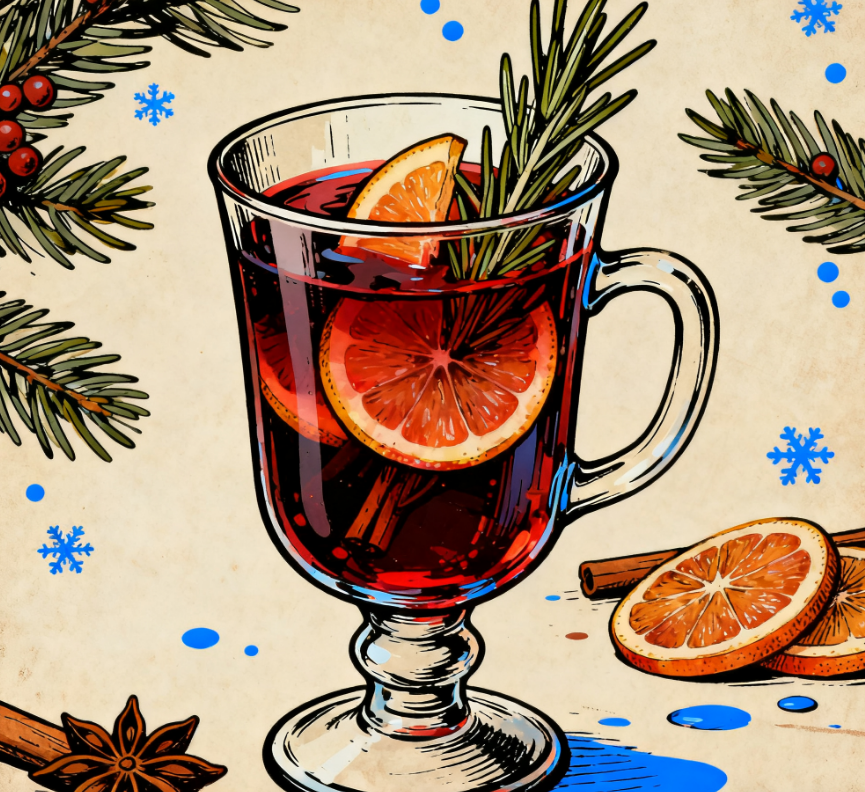
图片均来源于网络 | 侵删
加小助手VX【luluxjg2】领取全文逐字稿
Mulled Wine
I. Introduction: The Scent of Winter
mulled wine. It's basically the official beverage of feeling cozy.
Mulled wine isn't just a trendy drink. Its history is a heated journey through medicine, preservation, and survival.
▼
II. Ancient Medicine - The Original "Cure-All"
The earliest records come from Ancient Greece, where the physician Hippocrates would heat wine with spices like saffron and ginger.
"The Romans took the idea and ran with it. They believed heated wine aided digestion and circulation.
The key idea here: preservation and purification.
▼
III. The Spice Route & Medieval Survival
Wealthy households could now access cinnamon, cloves, nutmeg, and ginger. Adding these to heated wine served multiple purposes:
1. Flavor: It made rough wine palatable;
2. Health: The spices were considered 'warming' in Galenic medicine;
3. Status: Serving spiced wine showed you could afford exotic imports.
▼
IV. The Christmas Connection & Global Variations
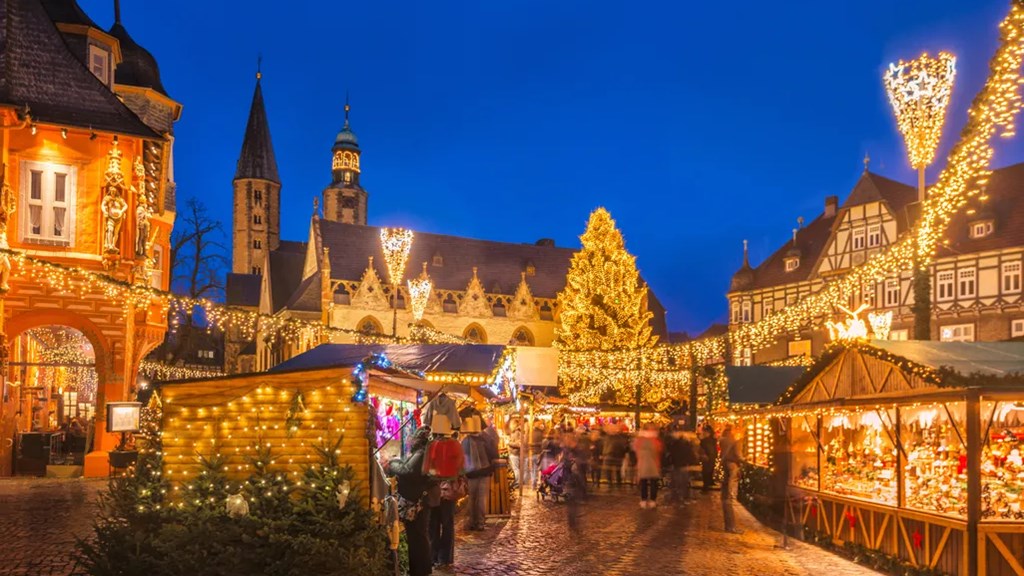
The tradition solidified in German-speaking Europe. The famous Christmas market dating back to the 16th century, famously sold glühwein to keep shoppers warm.
This market culture spread, cementing mulled wine as the aromatic heart of a European Christmas.

Hi, everyone and welcome back to 【Oh, So That's Why!】【原来如此】. Hi 安澜.
Hi Lulu, hi everyone.
So in this little segment, 安澜 and I will get to the bottom of some of the everyday traditions in western cultures or in cultures in general.
Mhm.
What are we gonna talk about today?
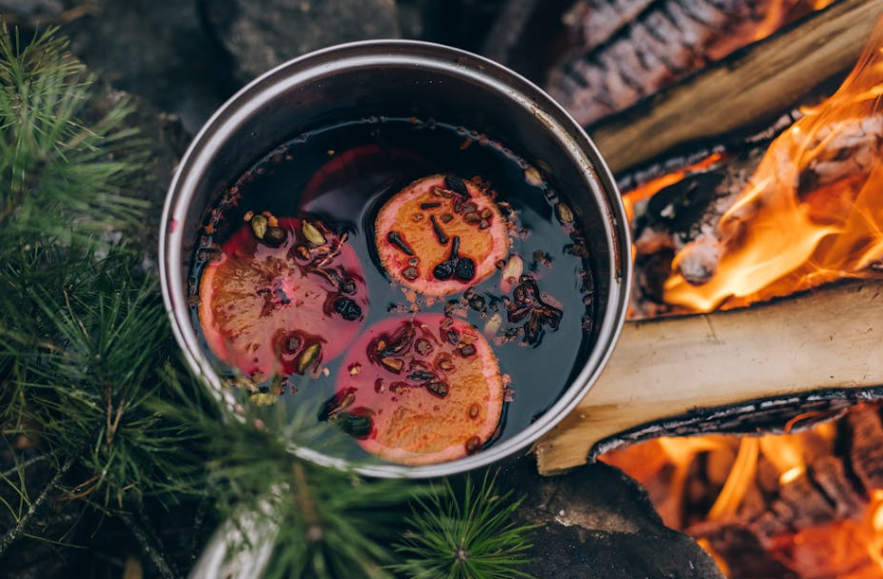
Well, it's winter here in Beijing. It's really cold outside and I want you to imagine, close your eyes for a second. Imagine being outside on a cold night, you're walking around the bars and cafes, and then you start smelling cinnamon, orange, cloves and warm spice wine.
Oh, mulled wine.
Yes.
热红酒,one of my favorites.
I know.
It's the perfect amount of sweet and spices and alcohol.
Well yeah. It's just such a lovely drink when you're really really cold and your ...you just want a little bit of warming up.
It is the official beverage of feeling cozy.
Precisely.
Yeah, but hang on. Why do we drink...why do we only drink the spiced, heated wine in winter? And who looked at a perfectly good glass of wine and thought you know what this needs, a saucepan, some cloves and a slice of orange.
That's a good question. Because it wasn't meant as just a nice, trendy drink. It was actually medicine.
It does taste a little bit of medicinal.
Well, yes and no. But this particular type of wine or this particular type of drink has been around for over 2,000 years.
Let me guess, ancient Greece again or Romans.
Precisely, one of the first doctors, Hippocrates, as in the Hippocratic Oath.
希波克拉底,这个就是什么医生的那种宣言, 对吧? Hippocratic Oath.
What he would do is he would heat wine with spices like saffron and ginger, but this was a potion.
Saffron就是藏红花. It’s a ….you use it in cooking, but it's also used in medicine.
It is.
It was a potion.
It was a potion
Like a magic potion.
Well, it was a medicinal potion. So the Romans took this further. They added honey, spice like pepper because they believe that heated wine helped with digestion and circulation.
Oh, I think TCM also believes that.
Well yeah.
Traditional Chinese medicine.
So the key idea is preservation and purification. So heating wine could kill off some of the impurities and strong spices help, how should I say, cover the taste of wine that was not that great.
This is why nowadays if you make mulled wine, you shouldn't use like vintage like really expensive bottles of wine, just your bare basics.
Exactly.
Because all the spices, the sweetness, the honey, it's gonna cover whatever the original wine tastes like.
Yeah. If I make mulled wine, it's probably gonna be a bottle that's probably like thirty, forty RMB.
Exactly, no more than fifty.
Yeah.
And otherwise you're wasting the wine.
Exactly.
So wait, it started as ancient DIY medicine?
Yeah.
Like a hot toddy for people wearing tunics and togas?
That’t right. Let's fast forward to the Middle Ages. Wine was still a daily staple. That's because the same as beer, it was often safer to drink than water.
I always love this, the reason why you consume alcohol is because water is less safe to drink.
Yeah, but the wine was not great. It could be very thin, it could be sour, it could be harsh. So this was also the time that the spice trade.
Ahhh, spices, 这里是香料, 就香料之路, 香料的贸易.
So wealthy households could now get cinnamon, cloves, nutmeg and ginger. And they started to add these warming spices partly as medicine, but also because it made it taste nice.
Cinnamon是肉桂, cloves是丁香, nutmeg叫做肉豆蔻.
Yeah.
We don't really use nutmegs that much in China.
No.
Ginger, we used a lot of ginger就是这个姜. All of these are warming spices. By the way, back then spices was a major trading product, wasn't it?
Well,yeah.
And it was expensive because a lot of these were exotic.
Pepper was more expensive than gold.
Wow.
And you talk about health as well. This was a very kind of medieval idea that you drink a warm drink because that protects you against the cold, damp winter. So again, it was about health.
Uh-huh.
So it was around this time they became known by lots of different names. So for example, in German it's Glühwein.
I've seen that, actually some English speakers also call it Glühwein. Does that mean that was older than the name mulled wine?
No, it's basically because Glühwein continued being very popular in Germany. Mulled wine was popular but not as popular as it was in Germany.
And then it came back.
It came back, it became popular.
Yeah, became popular again. That's why even at some Christmas market in London, you could see them marked as Glühwein.
Well yeah.
Rather than mulled wine.
That's because Christmas markets are seen as a very German thing.
Ahh.
So just before Christmas, it’s actually very popular in the UK to fly out to Germany and Austria and Central Europe to go to the Christmas markets.
Christmas markets is just so festive.
Yeah.
It's a little bit like our temple fair.
Yeah.
It's very seasonal, it's very festive. So many people, so many things to eat and drink and to look at, to buy.
To be honest, I've never actually been to a Christmas market.
I’ve been to Christmas markets.
Well, I've been to a Christmas market in the UK and they were not very good, but I've never been to one in Germany.
Yeah.
I've always wanted to go.
So if you ever spend the days leading up to Christmas in Germany, go to a German... a very traditional typical German Christmas market.
Yeah.
Yeah, but what does mulled,mulled wine, what does the word ‘mulled’ actually mean? Does it mean spiced?
It’s an old English word for ‘mixed’.
Oh, it just means mixed wine.
Or muddled.
Ok, so it went from Hippocratic medicine to medieval wellness trend.
Yeah.
So how is it connected to Christmas? Is it just because Christmas happened to happen at the coldest time of year?
Well, we've already discussed that, it comes from German-speaking Europe.
Oh, Christmas markets.
Christmas markets. So they sold Glühwein as a way of keeping shoppers warm so that they'll stay outside and carry on buying things.
But it's not just Germany, is it?
No.
It's also Germanic.
Yeah.
Like the Northern European, I've heard the, what was the Swedish word, Glögg.
Glögg, yeah. And that adds normally a little bit of vodka as well or akvavit.
Wow.
So it's a bit stronger.
A bit stronger. What about people who don't drink alcohol? Does that mean that they cannot have mulled wine?
You can get alcohol-free Glühwein or like spiced apple cider as well. So children sometimes would drink spiced apple cider.
Here cider doesn't mean alcoholic.
No no.
It’s more like just apple juice almost.
Kind of, yeah.
You said now it is becoming popular again.
Uh-huh.
But nowadays we have central heating and perfectly good wine. Why is mulled wine more popular?
Well, it’s traditional. And it's also like a communal comfort because it takes time to make Glühwein or mulled wine. And also when you make it, it fills the house with the smell. And it's also a great drink to drink that's not very expensive.
That is true.
For example, I've noticed nowadays in Beijing, everywhere has Glühwein.
And also, during the winter months, what they do is every bar or like a bistro, if they serve wine, they do mulled wine that will keep it simmering. So the entire room is filled with the smell of these lovely spices, cinnamon, cloves, and nutmeg, and everything. It just feels Christmassy, wintery but cosy.
Exactly.Precisely.
It really makes me crave a mug of mulled wine.
Well,why don't we go and get one?
Yeah, or we can just try to make it in the studio.
Precisely.
And on that note, we are going to wrap up here. I would say everyone to the holiday spirit and also cheers to mulled wine.
Absolutely.
Leave us a comment in the comment section. What do you think about mulled wine and put in your request for any other topics you want us to talk about.
So until next time.
We'll see you next time.
Bye.
Bye.
排版长图:
文稿校对:
图片来源:
Jer.ry
梅薇薇 & Jenny
均来源于网络 | 侵删
▻▻▻
最后,因为微信公众号推送机制的变革,
现在没有星标的账号,很容易就错过推送,
所以如果你喜欢小酒馆的推文,
拜托一定一定别忘记
⭐星标⭐【璐璐的英文小酒馆】哦,
星标不迷路!
点开公众号名片,点击右上角“…”
再点击“设为星标”即可,在酒馆等你哦~ 👇

酒馆铺子
全球小众精品好物聚集地:
(点击以上图片,Get世界精选好物)

酒馆需要你的 点赞,在看,收藏!
动动手指为我们的小酒馆助力吧~


