被低估的英国悬疑片 《守塔人 》,尘封百年的孤岛失踪迷案 ...

铺 子

▲点击进入 相应板块
Unexplained Mysteries

BACKDROP
The Flannan Isles Lighthouse

背景介绍:
弗拉南群岛地处苏格兰以西大西洋,岛上礁石遍布、常年狂风巨浪,环境极度荒凉隔绝。
1899 年当地建成石砌灯塔,用来指引航船,实行三人驻岛、一人轮休的值守制度。三名守塔人经验丰富,日常负责点灯、清洁透镜、记录天气,补给船定期运送物资。
1900 年 12 月风暴频发,原定补给行程被迫推迟,岛上人员与外界长期隔绝。这座孤岛灯塔发生的集体失踪事件,是流传百余年知名的海上未解之谜。

事件简介:
1900 年 12 月 15 日有船只路过,发现灯塔灯火熄灭,直到 26 日补给船才成功登岛。登岛人员搜寻后不见三名守塔人,屋内整洁、饭菜未动,仅两套防雨外套不知所踪。登陆平台护栏有损毁痕迹,灯塔内时钟全部停摆,最后一篇日志只记录狂风巨浪。
官方推测三人遭异常巨浪卷走,但诸多细节与该结论矛盾,百年来衍生多种猜想。巨浪、水龙卷、精神崩溃、海中灵异等说法均无实据,三人遗体至今没有找到。
Ep/22
MYSTERIES
Unexplained Mysteries
with Anlan
Welcome to a world of secrets and unanswered questions—a world of true mysteries that no one has ever solved. Today, we are going on a journey into the strange and the unexplained.
Are you ready to explore the unknown? Let's begin.

🎵
🔺点击收听音频
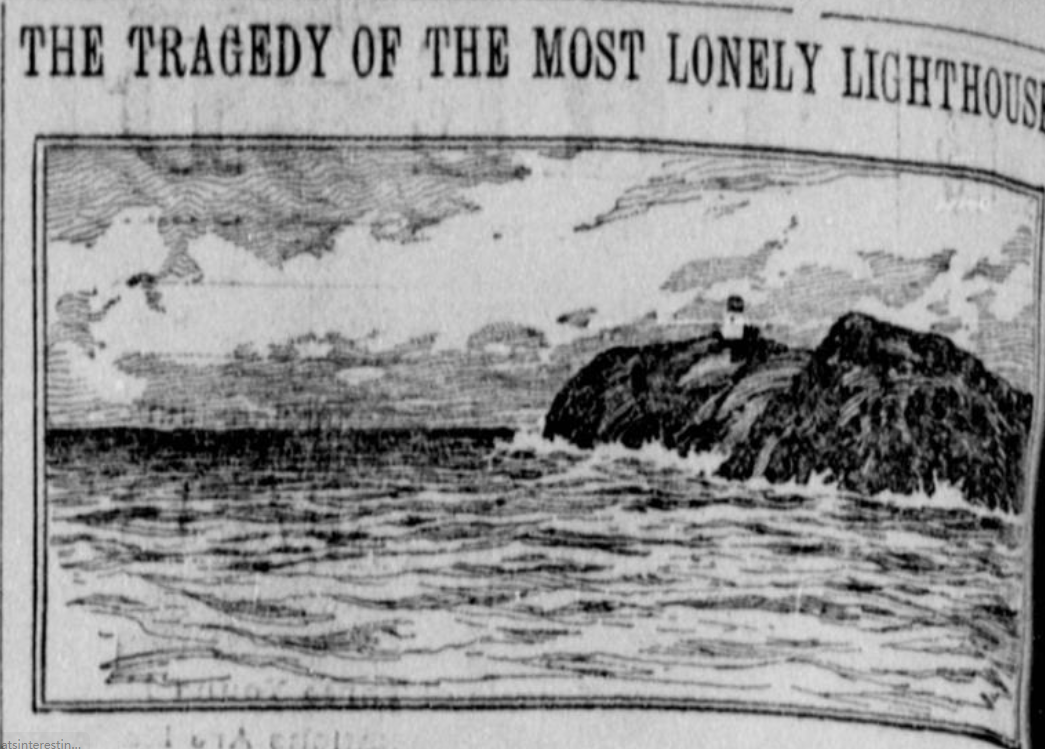
On a cold, stormy December morning in 1900, the relief ship Hesperus fought its way through heavy waves toward the remote Flannan Isles off the wild west coast of Scotland. The captain expected to see the bright beam of the lighthouse cutting through the grey mist as it had done every night for more than a year. Instead, the tower stood completely dark and silent. No flag flew from the mast. No one waved from the landing platform. The only sounds were the crash of angry waves against the black rocks and the howl of the wind.
The crew shouted across the water. There was no answer. When they finally managed to land and climbed the steep, slippery path to the lighthouse, they stepped into a scene that would puzzle the world for more than a century.
This is the mystery of the Flannan Isles Lighthouse Disappearance.
Let us go back to the beginning and understand the world these men lived in.
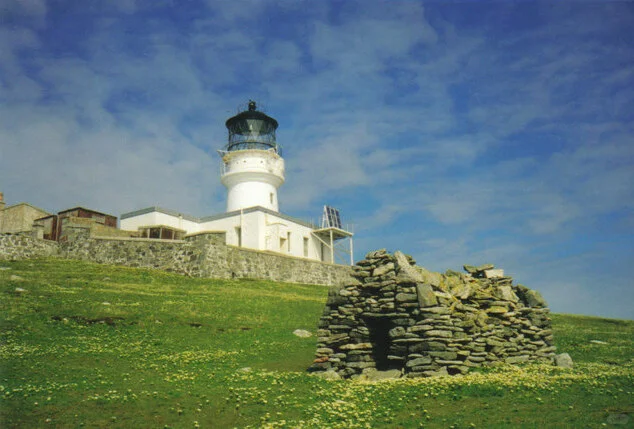
The Flannan Isles are a small group of rocky islands far out in the Atlantic Ocean, about twenty miles west of the Scottish mainland. They are wild, windswept places where few people ever go. In 1899, the Northern Lighthouse Board built a tall, strong stone lighthouse on the largest island to guide ships safely past the dangerous coast. Three keepers lived and worked there in shifts. Their job was lonely but vital. Every night they kept the powerful lamp burning. During the day they cleaned the lens, recorded the weather, and maintained the buildings. Supplies came by ship every few weeks, but bad weather could cut them off from the world for long periods.
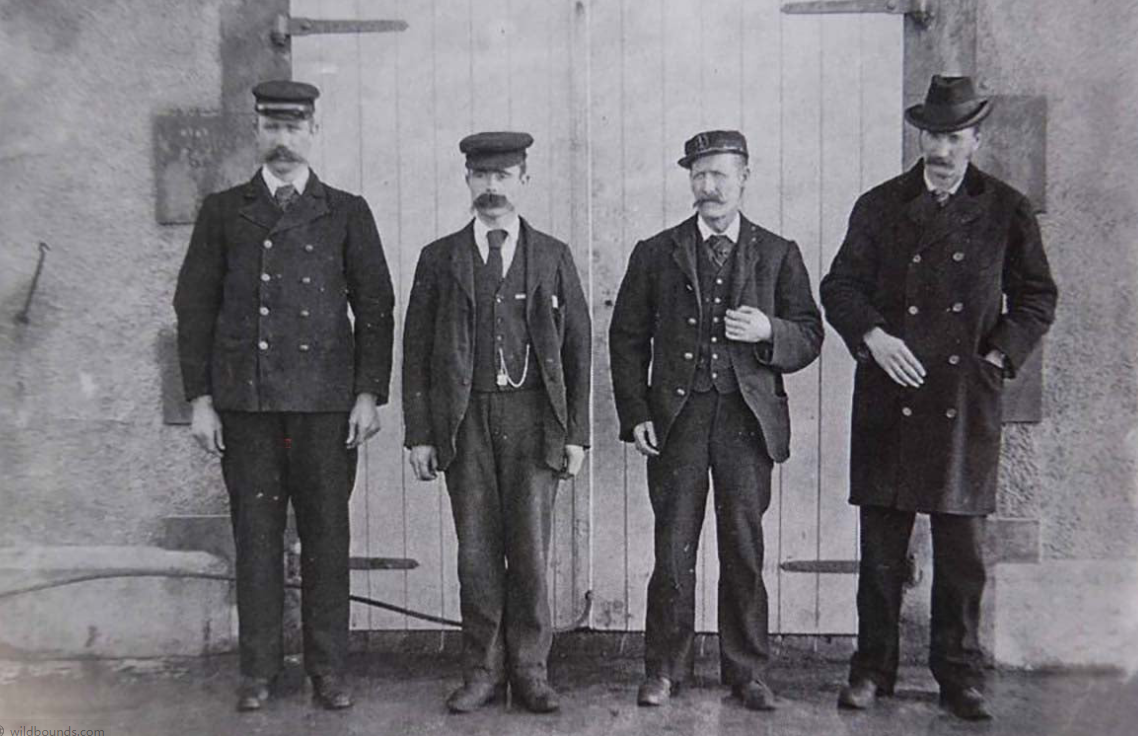
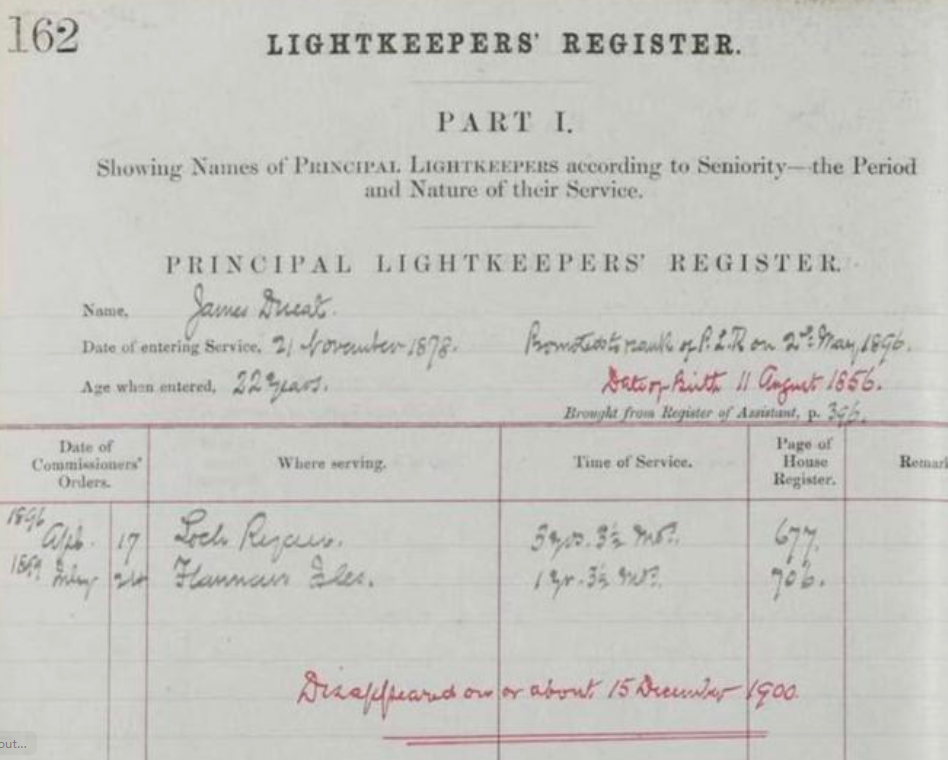
Life on the island was hard and isolated. The keepers — Thomas Marshall, the head keeper, James Ducat, and Donald McArthur — were experienced men who understood the power of the sea. They had families on the mainland who waited anxiously for their return. On 7 December 1900, the usual relief ship could not reach the island because of dangerous storms. The next supply trip was planned for Boxing Day, 26 December.
When the Hesperus finally arrived that day, the keepers were nowhere to be seen.
The captain and several crew members searched the entire station carefully. Inside the lighthouse, everything looked strangely normal at first. The beds were neatly made. The kitchen table was set for a meal, but the food had not been touched.
One chair lay on the floor overturned . The oilskins and boots of two keepers were missing from their usual places, but the third pair remained. The big lamp was clean and ready for the night. The clocks in the living quarters had all stopped at the same time. The logbook, which the keepers wrote in every day, showed the last entry was made on 15 December. It described strong winds and large waves, but nothing that suggested immediate danger.
No sign of a fight. No blood. No note saying goodbye or asking for help.
The search team looked everywhere on the small island. They found some damage to the landing platform and a few broken railings, but nothing that clearly explained what had happened to three strong, experienced men. The lifeboat was still in its place. The island’s small supply of food and water was untouched. It was as if the keepers had simply walked out of their lives and disappeared into thin air.
News of the disappearance spread quickly across Scotland and then the rest of Britain. Newspapers printed dramatic headlines. Families of the keepers waited in terrible anxiety for answers. A full official investigation began immediately. Search teams combed the cliffs and rocky shores. They questioned people on the mainland who had known the keepers. They studied the weather records for December. But no bodies were ever found. No wreckage from a ship or boat. No final desperate message.
The official report suggested a terrible accident during a storm. On 15 December the logbook mentioned “severe winds” and “huge waves.” Perhaps a massive rogue wave — much larger than normal — had crashed over the island without warning and swept the men into the sea while they were trying to secure equipment or check the landing stage. Rogue waves are real and terrifying. They can appear suddenly even when the rest of the sea looks calm. In such a remote and dangerous place, it seemed a reasonable, if tragic, explanation.
But many people were not satisfied with this answer. The damage to the platform seemed too small for a wave big enough to take three men. Why had one keeper left his protective oilskins and boots behind if he was going out into a storm? Why were all the clocks stopped at exactly the same moment? And why was there no final entry in the logbook warning of danger? These small details did not fit neatly into the storm story.
Over the years, other theories appeared. Some people suggested the keepers had gone mad from the extreme isolation and killed each other in a sudden argument. Life on a tiny rock with only the sea and the wind for company could affect the strongest minds. Others whispered about supernatural forces. In the old folklore of the Scottish islands, the sea was full of spirits and monsters. Perhaps something from the deep had come for the keepers. In the early years of the twentieth century, many still believed such stories, especially after living through long, dark winters.
A more scientific theory points to a sudden waterspout — a powerful spinning column of water and air that can form quickly over the sea. It could have struck the island without much warning, frightened the men, and swept them away. Another possibility is that one keeper slipped and fell into the sea while working on the landing stage during rough weather. The two other men tried to rescue him and were pulled in by the strong currents and waves. Small mistakes in such a dangerous place can become fatal very quickly.
No matter which explanation you prefer, the disappearance remains deeply mysterious. No clear evidence has ever been found to solve it completely. The Flannan Isles Lighthouse continued to operate with new keepers for many years. Eventually, it became automatic, like most modern lighthouses, and no one lives there anymore. But the story of the three missing men has never been forgotten.
Modern investigators have returned to the case with new tools and fresh eyes. They have studied old weather records in greater detail and confirmed that December 1900 was stormy, but not unusually so for that wild part of the Atlantic. Some researchers have used computer models to simulate possible rogue waves and waterspouts. Others have examined the psychology of isolation and how small groups of people can experience shared fear or confusion under extreme stress. A few have even suggested that a combination of factors — bad weather, exhaustion, and perhaps a sudden medical emergency for one keeper — could have led to a tragic chain of events.
Yet even with all our modern knowledge, the exact truth remains hidden in the cold waters around the Flannan Isles.
What makes this mystery so powerful is the atmosphere it leaves behind. A lonely stone tower standing against the endless Atlantic. Three dedicated men whose only job was to keep the light burning so that others could find their way home. A meal left half-prepared on the table. Clocks stopped at the exact same moment. An empty island with only the sound of waves and wind. It feels like time itself froze while something terrible — or something inexplicable — took place.
There is something deeply unsettling about complete abandonment with no explanation. No bodies washed up on shore. No final desperate message scratched on a rock. Just silence and the endless rhythm of the sea.
Imagine being one of those keepers on that December night. You have spent weeks or months on a tiny rock surrounded by water. The wind howls day and night. The waves crash against the cliffs with frightening power. You and your two companions are the only humans for miles. One evening, a huge wave or a strange event appears suddenly. You try to help your friends. You shout into the storm. And then… nothing. The world moves on without you. Your families wait on the mainland, but no ship ever brings you home.
The story also teaches us important lessons about the power of nature and the limits of human control. Even with strong stone walls, bright lights, and experienced men, we are still small against the ocean. The keepers knew the risks when they took the job, yet they still chose the lonely life of service to others. Their dedication reminds us of the quiet courage of people who work in dangerous places so that the rest of us can live safely.
Today, the Flannan Isles are quiet once more. Tourists sometimes visit by boat when the weather allows. They climb the same steep path the searchers took in 1900. They stand inside the empty lighthouse and feel the weight of history in the thick stone walls. Some say that on stormy nights, when the wind howls around the tower and the waves crash below, you can almost hear distant voices or the sound of footsteps that are not there. The light still shines automatically to guide modern ships, but the memory of the three keepers lingers.
Thomas Marshall, James Ducat, and Donald McArthur were never seen again. Their families never received clear answers. Their story became a legend that still raises the same questions more than 125 years later.
However, the light still shines. Ships still pass safely through the dangerous waters. But on quiet evenings, when the mist rolls in and the waves crash against the black rocks, the Flannan Isles still feel heavy with their unanswered questions.
And somewhere in the grey, restless sea, the final moments of three brave keepers remain one of the most haunting maritime mysteries of all time. A story of isolation, duty, and the eternal power of the ocean that continues to fascinate and unsettle us more than a century later.
排版长图:
责编/校对:
图片来源:
Jer.ry
Jenny
均来源于网络 | 侵删






▲点击以上图片,Get世界精选好物


