老登英文到底怎么说 ?全球人类都躲不过的 「爹味 」人格 ...

" 老登 "
PART ONE
KEY WORDS
图片均来源于网络 | 侵删
加小助手VX【luluxjg1】领取全文逐字稿
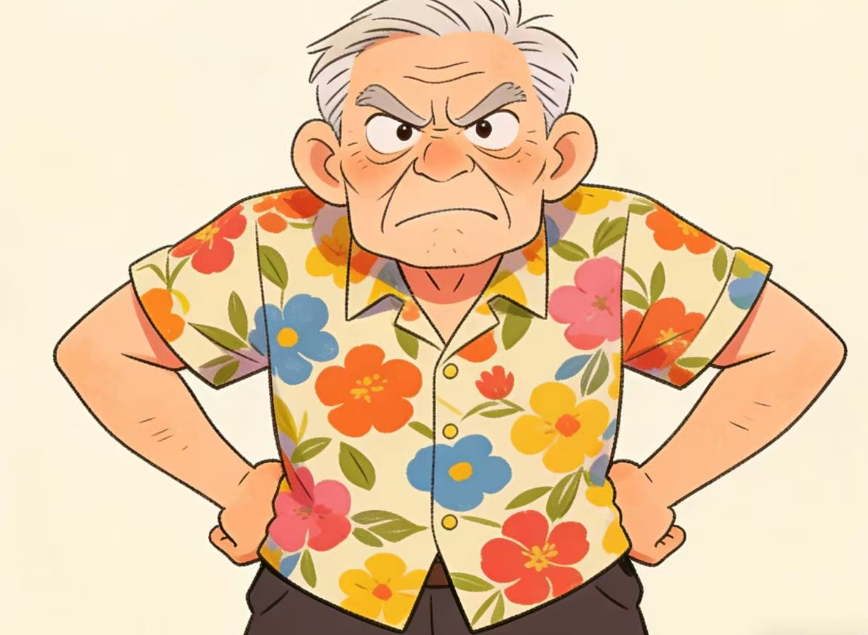

Intro- What’s 老登?


It’s a hot Chinese internet slang. - Forms: 老登 energy, 老登 taste, 老登 movies.
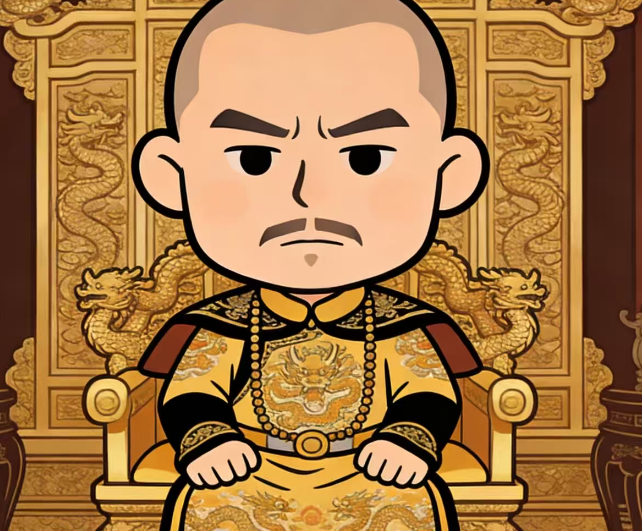
Original Meaning- From Northeast China dialect.
Means: an old, stubborn, annoying guy — like old geezer.
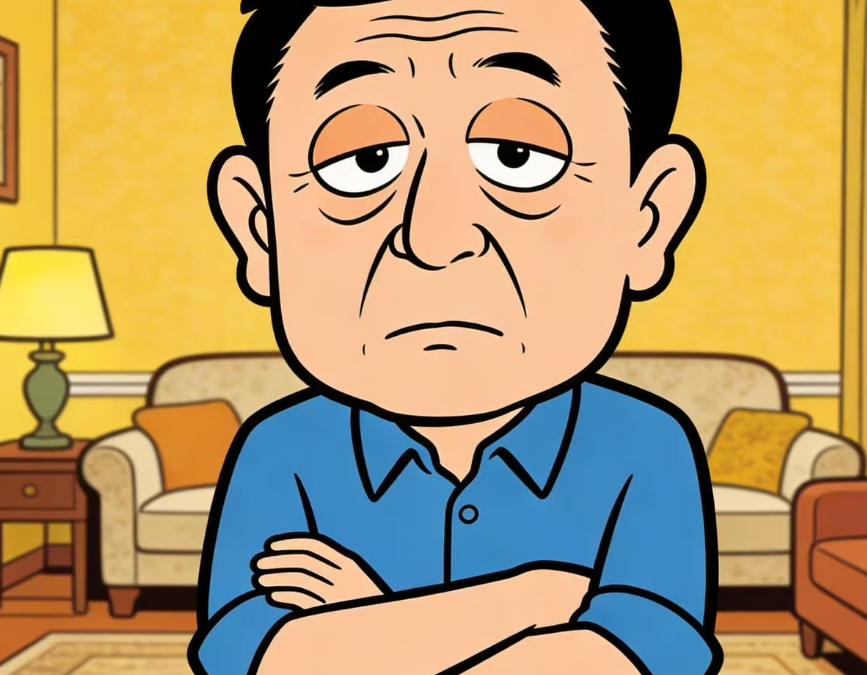
What 老登 REALLY means now
Not about age: you can be “小登” “中登” (young/middle-aged).
It’s a vibe & behavior, not age.
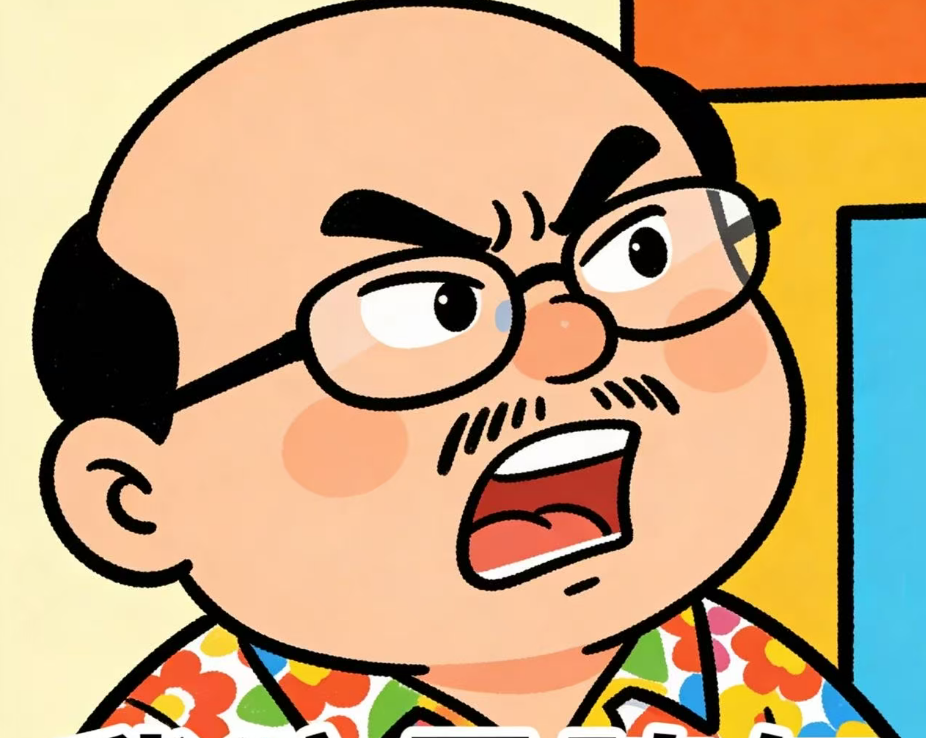
3 key traits of 老登
No boundaries (asks private questions, intrudes).
Unsolicited expertise: gives unasked life advice.
Stubborn authority, thinks only their view is right.
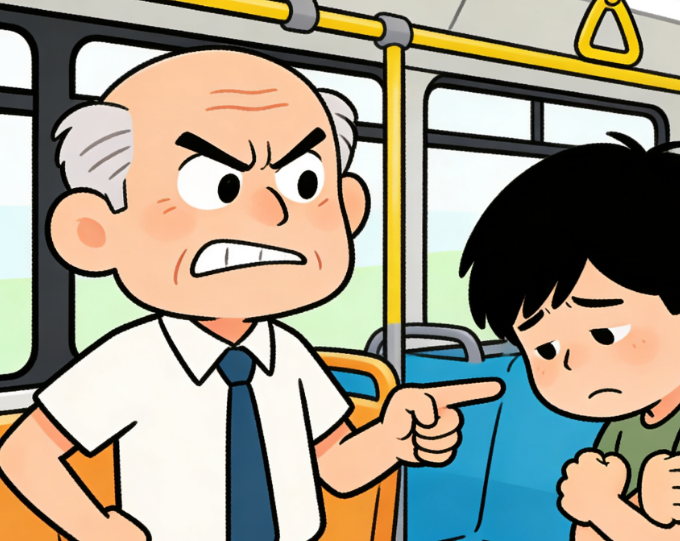
Related English terms (context‑dependent, not exact matches)
Boomer: mindset, not age.
Gammon: UK — angry, red-faced middle-aged man.
Dad vibes / cringe dad: embarrassing but not mean.
老登: more about power & authority, more annoying.
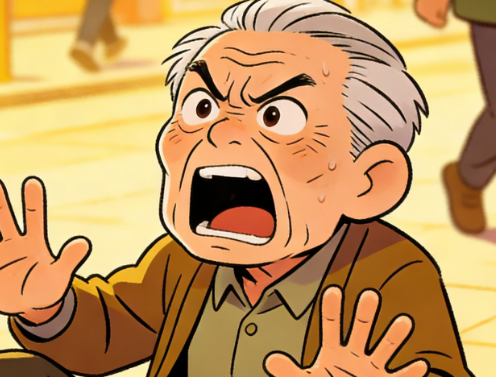
Where to find 老登
Family dinner: uncles lecturing you.
Workplace: bosses giving long monologues.
Pop culture: 老登 movies.

节目文稿全记录
#899
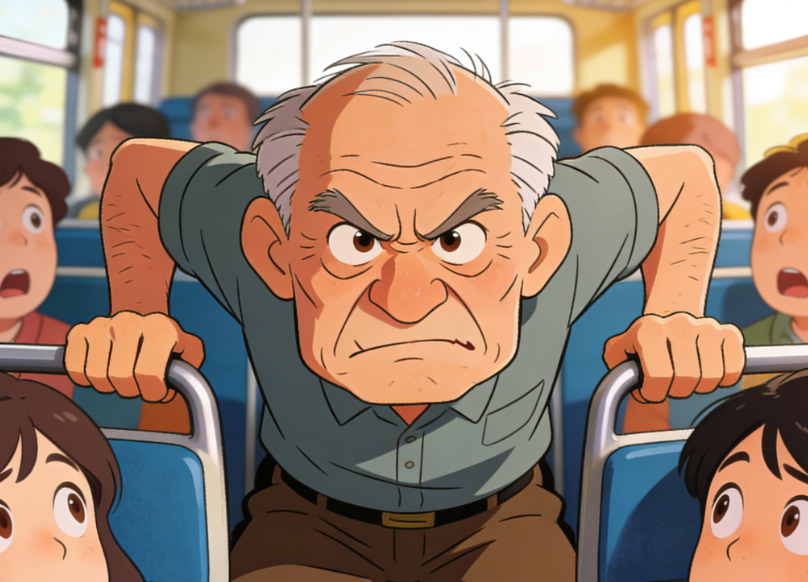
Hello again欢迎来到Happy Hour英文小酒馆。关注公众号璐璐的英文小酒馆,加入我们的酒馆社群,邂逅更精彩更广阔的世界
Hi, everyone and welcome back to Happy Hour. 欢迎回来酒馆. Hi, 安澜.
Hi, Lulu, hi, everyone.
So what are we gonna talk about today?
Well, I got a question for you.
Okay.
Because on social media at the moment , I’ve seen this word so many times that I don't really quite understand what it means. 老登.
Sorry?
老登?
老登. Haha, Yeah. So you said you've seen it everywhere.
Well, yeah. Sort of like登energy, 登taste, 登movies.
老登电影是吧?
Yeah.
老登审美. Yeah, it’s this whole thing, it's like a whole new personality category. It is so versatile and is so, so ubiquitous or overused even.
Yeah.
It's one of those terms that once you hear it, you start seeing it everywhere.
Yeah.
Before I define it, let me describe the situation.
Ok.
So, think about a family dinner where an elderly uncle or older uncle corners you for a 45-minute lecture on why you should buy a house, why you should get married. That is 登 energy.
Oh, okay.
那个就是登味; or the boss who sends like voice messages longer than your attention span starting with I’m not trying to lecture you, but.... also 老登,登味.
So it sounds like an entire generation looked at the idea of dad vibes and said we need a stronger word for this.
Exactly. Because dad vibes sometimes it is because, it can still be loving. It's just slightly embarrassing.
Yeah.
But 老登, you know, it's kind of like mansplaining....at its worst.
Okay.
Yeah, that is the thing.
Okay. So, my question really is, is this just a Chinese internet thing or is it something a bit wider than that?
You guys probably don't call it that. But I think you've got 老登 lurking everywhere in the world.
Yeah, I would say definitely, definitely, definitely so.
If you think about how I just described, right? But the translation really gets tricky.
So today let's unpack the whole old 登, the老登phenomenon. What it means, where it came from, how it exploded online, and whether you might be accidentally radiating some老登 energy without even knowing it.
What are you trying to tell me?
Well, we will see. So let's start with the basics.
老登 actually comes from the 东北accent. Well, originally it kind of just meant an older guy who's a bit… shall we say sketchy, a bit off, think old geezer.
Okay.
But with more attitude.
So I’m guessing just like any good internet slang, it's evolved. It's not really about age anymore. It's about a vibe, like a type of behavior.
You can be done at any age. Actually they created, subsequently created 中登 and 小登.
Okay.
So you can be 登 at any age.
So what is... what makes a true 老登?
All right. So what is the 登 energy or the 登 taste? Let me give you the few ingredients that make up this whole 登味儿.
Ok.
Number one, they lack the idea of boundary. This is a person who asks why you're still single at dinner, then follows up with I’m just concerned about you, dear. This is the first ingredient. They don't really respect boundaries.
Okay, yeah.
And number two, this is very, very important and this is what I hate the most, unsolicited expertise.
Oh. The sort of like “let me tell you how the world really works” energy.
Exactly. So in English you call it mansplaining. So in Chinese we have like the 爹味儿.
Yeah.
Kind of like dad vibes but mansplaining things. Nobody asked for your advice, but you're going around and saying, back in my days, I need to give you this advice.
So I’m guessing as well that they think that everything that they've done or everything that they've experienced is exactly the same as what you’ve experienced.
Exactly. So they completely forget that time has changed.
Yeah.
Completely forget that what they went through was a whole different life experience.
Ok.
And also, they have this strong sense of authority, without any curiosity. In other words, they're very, very stubborn. They don't ask questions.They just give pronouncements.
Okay. So, it sounds a little bit like the old idea of an uncle.
I don't know you have different uncles.
Yeah.
Right? Some uncles can be very nice and very accommodating. But there are also the other types of uncles that they are, they like to lecture.
Ok. So this doesn't really sound like it's old people being old. It sounds like a lot deeper than that.
Yeah, it's not just about age, like I said you can be小登, 中登. You can be like 25 and have the 登 energy already. If you're going around and giving unsolicited life advice with like zero self-awareness.
OK.
I think it's more about power posture.
Oh, I see. Okay.
The assumption that your perspective is the main character, is the only correct answer in the world, and you can't wait to go around and spewing your truth.
I see. Okay.
Now that backs the question, how do we translate that into English? Do you have any cultural equivalent?
I would say the first translation that comes to mind is boomer.
Boomer? Like a boomer generation.
Yeah. So this is the generation of the 1950s, 1960s and this is the generation that is kind of now elderly.
Ehm.
Yeah, but it's the idea that they lived through a very, very different life. Probably housing was a lot cheaper. It was easy to get jobs so on and so forth. So, we talk about the boomer generation, but it's not just about birth here anymore. It's a mindset.
Okay.
So for example, someone who says, even in their 30s, “kids these days”, is still a boomer.
That’s like you! You say kids these days, that is true, that makes you a 登, 中登.
Thank you.
Going towards 老登.
Now research in this episode, I did see a term called “gammon”.
I've seen that as well. I thought gammon is just ham.
Yeah, but it describes like a middle-aged man who gets red face, like a gammon and shouts about politics. So his face literally looks like gammon, but I’ve never really used that expression or seen it. I don't know whether or not it’s very, very new.
It could be like an internet thing.
It could be. It could be. But that type of idea is quite common in the UK. So someone who's probably a bit more right-wing, who would say things “back in my day...”
“These immigrants...”
Exactly, exactly. So, they normally get very, very heated about politics and they normally start having an argument during Christmas dinner.
And they never have the same political ideas as their younger...like the younger relatives, right?
Yeah.
But earlier on, you were talking about dad vibes.
Yeah. I guess “cringe dad” or “cringe dad energy”?
Cringe means尬,right?
Yeah.
Yeah. I have to say 老登is not really cringey though, it’s more annoying.
Yeah.
Cringey is kind of like your dad talking to waitress.
Yeah. Okay.
That sort of thing, right?
Yeah.
It's more.... or telling dad jokes.
Sort of like midlife crisis type of idea.
Yeah, but 老登 they don't have midlife crisis. They are very sure of themselves.
Well, yeah.
Yeah, so that is the difference. Now the thing is, I think in English these terms are mostly about like personal style.
Okay.
But 老登 carries a little bit more weight in China. It's kind of... it goes into the territory of structural authority.
Yes. I would say in the UK, it's more about kind of the individual. It's more about the idea of kind of like someone who's against society or annoyed by society. But from what you're telling me about 老登. It's like society has given them this right or they feel that society has given them this right.
Exactly, exactly. Or I don't think even society has given them this right. It's more like they feel they just take it for granted.
Well, yeah.
Because they live till now and they're men, so they sort of get to get their nose in everyone's business.
Precisely.
Yeah.
I’ll tell you what, now that we understand what or who is a 老登, let's go 登 hunting, let's try and find…
登hunting.
Their natural habitats.
Okay. Classic 老登 habitat. The uncle at the family dinner table who asks about your salary, your relationship status, your 5-year plan, all while you're trying to eat; and when you deflect, he says I’m just trying to help. I'm trying to impart onto you my lifetime wisdom.
Okay. So, I'm guessing that if you get angry at them, then you become too sensitive or you can't take a joke.
Yeah, but the thing is they probably don't even mean it as a joke. They'll be like啊,现在的孩子, the kids these days they don't appreciate.
Yeah.
Blah, blah, blah.
Yeah.
So next stop, the workplace. You know workplace is filled with 老登. This is like a boss who schedules a 15-minute checking session, turns into a 90-minute monologue.
I've been in that situation before.
You were the 老登 or you were the listener?
I was the listener.
OK. “When I was starting out... you kids have it so easy nowadays...” That sort of thing.
Okay. And I'm guessing someone who tries to explain your job to you as well.
Exactly. And then there's the pop culture. Have you ever heard of the... early on, actually you mentioned it, 老登 movies.
I have, but I still don't quite understand it.
Ok. So, you know the term chick flick, right?
Yeah.
So 老登 movie was kind of like a mirror image of that.
Okay.
Whilst chick flick小妞电影, you know, this is how people sort of using a dismissive tone to talk about “Oh, these are what women like, the rom com, the blah blah... The Cinderella falls in love was the prince.”
Yeah.
But 老登 movie are, these movies that are focusing almost entirely on men's story. For example, I know it's a classic. But it has been branded as... nowadays it's kind of a老登 movie which is the Godfather.
I love the Godfather.
Every man says that.
The Godfather is brilliant. Come on.
There were literally no women in that.
There was like one or…
Yeah, and they were like pawns or they were like, you know, accessories.
Come on, don't take this away from me. I love the Godfather.
Well. Then own up to your 登taste.
Okay. All right.
Don't get me wrong. I think the Godfather is a brilliant movie, it's a brilliant franchise.
Yeah.
But you get the idea what people would call like. It's all about male ambition, male violence and male legacy.
Yeah.
It's not... women in those movies are just backdrops or you know, like a prop.
Ok, yeah. So I guess it's like that famous line from Barbie. Men look at films about men and think this is about humanity; Women look at movies about women and think this is about women.
That is very well said actually.
Well yeah. I can kind of see it.
Yeah, exactly.
排版长图:Jer.ry
文稿校对:梅薇薇 & Jenny
图片来源:均来源于网络 | 侵删