主理人元年 ?360行 ,一行有一行的主理人 !

"主理人"
Zhu Li Ren
KEY WORDS
图片均来源于网络 | 侵删
加小助手VX【luluxjg2】领取全文逐字稿

Introduction


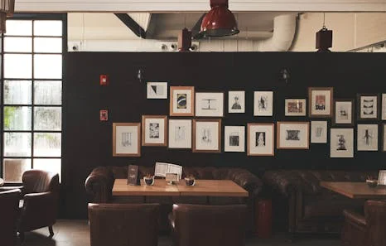
'主理人' or 'Zhu Li Ren' is one of the most buzzworthy—and now, heavily mocked—terms to come out of China's contemporary consumer and youth culture. It's a title that promises a unique, curated experience but is often at the center of online satire.
Part 1: Definition & Origins - The Birth of a Title
Etymology & Origin: It's believed to be a Chinese translation of the Japanese term for 'director' (ディレクター), which itself was adopted from English.
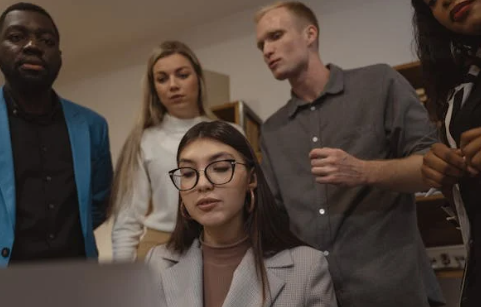
Core Concept: A 'Zhu Li Ren' is not just a founder or owner. They are the chief curator, the aesthetic guardian, and the living embodiment of the brand's soul.
How to Say "Zhu Li Ren" in English?
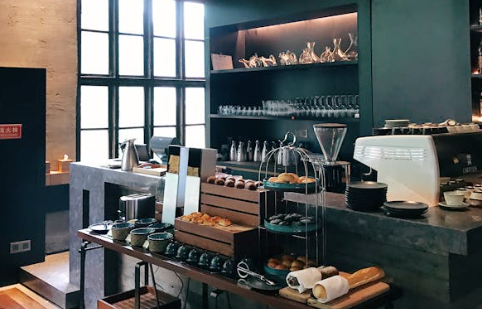
English doesn't have a perfect equivalent because the role is so culturally specific.
Options:
♦ Founder / Co-founder: "This is the closest and most common translation. It emphasizes they built it from the ground up."
♦Creative Director: "Perfect for capturing their role in shaping the brand's visual identity and overall aesthetic."
♦Curator: ”It works brilliantly if the 'Zhu Li Ren' is known for carefully selecting products, music, or art for their space.”
♦Principal: "A more formal, corporate-sounding term meaning 'the leading authority'."
♦Brand Owner: "Accurate, but it feels sterile and misses all the cultural and emotional baggage—both good and bad—that 'Zhu Li Ren' carries."
The Online Backlash & "Demystification"
The Cultural Shift: "The term has undergone a massive 'demystification'—or '祛魅', a concept we've talked about before. It's gone from a mark of respect to a subject of widespread mockery."
Core Criticisms & Memes:
♦ Pretentiousness;
♦ The "Inferiority Voucher";
♦ Label Inflation;

Conclusion
'Zhu Li Ren' is a complex cultural package. It's a title that traveled from niche street culture to the mainstream, encapsulating our desires for unique experiences, while also becoming a lightning rod for critiques of pretension and consumerism.

节目文稿全记录
#884

Hello again欢迎来到Happy Hour英文小酒馆。关注公众号璐璐的英文小酒馆,加入我们的酒馆社群,邂逅更精彩更广阔的世界
Hi, everyone and welcome back to happy hour. 欢迎回来酒馆. Hi, 安澜.
Hi, lulu, hi, everyone.
安澜, can I propose a topic today?
Sure.
Have you ever heard of the very buzzy Chinese word or Chinese expression? 主理人.
Like assistant, helper?
No,no, not 助理. 主理,主人的主.
Oh, I've heard of it, but I don't quite understand it.
I don't think anyone really quite understand what that is about.
Okay.
So...Imagine this, picture this. You walk into a hyper designed cafe, a sort of really instagrammable cafe in a trendy Shanghai alleyway.
OK?
The music is just right. Decor is like minimalist chic, and the person behind the counter greeting you with like a polite smile, but some sort of distance, isn't just a barista, they are the 主理人. They are the owner of the brand, of the cafe, of the whole concept.
OK?
And by calling themselves 主理人, your simple coffee order somehow turns into a lecture on the different types of coffee beans and you leave the cafe having paid, I don't know, a hundred or a hundred and fifty RMB for a coffee.
Isn't that just a very expensive cafe?
But they're not just for cafes, any type of establishment, any type of brands can have a主理人.
So主理人 just means manager or owner.
You can say that, yes and no. Because it is one of the most buzzy or buzzworthy and now heavily mocked terms to come out of China's contemporary consumer and youth culture. 它是一个非常火的一个词, 但同时现在又是经常被人吐槽的一个词。
For those of you 主理人 out there, I mean no offense. Someone has called me 主理人 of the Happy Hour.
Okay.
原来我们真的说过酒馆主理人的. It's a title that promises a unique curated experience, but is often at the center of online satire.
Okay, so again, it's an owner of a business.
Let's unravel the story, shall we?
Okay.
First of all, the term, when I was live streaming, a lot of people say, Lulu, how do you translate this? It's difficult to translate because the whole idea of 主理人 is actually a quite foreign idea.
Yeah.
But it's got translated into Chinese, not directly through English. This is how it happened. One of the etymological stories, the origin stories is that this is a Chinese translation of the Japanese term for director.
Director?
Yeah. But director in English means what? Head of a business, something like a department.
Head of a department, for example,
总监,管理,就是一个管理者的 title, but this director this Japanese version of the English word then gained traction through Hong Kong's fashion magazines in the 90s and they translated it into 主理人. But the original thing the original 主理人 meant more like the brand owner like fashion brand owner, not a shop owner.
Okay? So I think I'm kind of somewhat getting it. It's not just about managing a business or owning a business. It's also being the main brand as well, being the face of the brand.
The face and the soul of the brand.
Okay.
So this is why sometimes they're even translated into chief curator.
Chief curator?
Yeah, I know curator is usually for museums and gallery, but they're like they're in charge of curating that idea or the concept of the whole brand image, and the living embodiment of the brand's soul, their personal taste, lifestyle philosophy are the brand’s core value proposition. It's all about creating emotional value and the concept.
So how did this sort of title just go into everything?
I think it's really simple. I think people just think that or people just thought it had a nice ring to it. It's better than shop owner because that makes it feel like you're so basic, so mid; but if you call yourself chief curator, the brand owner, the 主理人, the director of the brand, it sounds a lot nicer. It seems to suggest that you have a lot of originality behind it好像有很多原创的东西and you really know your stuff.
Okay.
And the tricky part is English doesn't really have a single perfect equivalent.
No. I guess maybe founder because that has the idea of like you own it, but also you're responsible for its design.
Yeah, but founder is so much more about just business, especially startup business. Founder就这个创始人, it doesn't really have that cultural elitism in it.
Creative director, curator maybe as you say.
Yeah, still creative director and curator seems to suggest they're doing something artsy like a museum gallery or a fashion magazine, fashion brands, but this can be the 主理人 of a cafe, of a bistro. It can hardly call a bistro owner creative director of the bistro.
I guess maybe like brand owner, but it doesn't really have the same like impact.
Exactly, it just feels sterile, it feels hapless. It just misses all the cultural and emotional package. I think this is one of those untranslatables.
Yeah,
Because behind it is a lot of cultural phenomena.
So if I start calling myself the creative director and curator of Happy Hour, do I get a higher salary?
No.
OK.
Because I am the curator and creative director of this podcast.
OK. Well, beg to differ.
No, I'm the 主理人, you're the 助理人.You're the assistant.
Okay OK, OK, OK.
But interestingly you remember what I said about how this came to fame because people wanted to be 主理人.
Yeah. But why is it now seen as a bit of satire?
Yeah, This is because of the online backlash.
Yeah.
I think a few years back, people started posting mocking videos of these hoity-toity, this really pretentious 主理人 being in really chic cafes, overcharging people and being very standoffish.
You know some of these 主理人 probably would say things like, oh yeah, I'm not opening this cafe for money. I just opened this cafe so that I have a place to host my friends. It's like, then don't have a business, just invite people to your home.
Oh, exactly.
So because of that and there are so many parodies, there are so many like a mockery online. People start to realize, hang on a minute, although these people they talk the talk, but they don't really have, or a lot of them don't really have anything insightful or deep. They just hiding under this fancy word and then, so that they can overcharge you and they also can look down on you.
Yeah. So it's the idea of this sort of lofty image, but actually, it's overpriced, bit underwhelming.
Yeah.The problem is pretentiousness, right? And it's also there's the idea of label inflation. The whole 主理人 label is so inflated. Now people make fun of it.
They say我是什么手工拉面主理人hand-pulled noodles主理人. You can be any 主理人, I guess you can be like沙县小吃主理人, 方便面主理人if you want to be. So people make a mockery of it.
I can kind of understand that now because I've experienced that type of thing myself. I've been to bars, and like wine bars in particular in Beijing, and it's very much that's same sort of like elitist, pretentious atmosphere that you just find very uncomfortable.
It's not welcoming, it's forbidding.
Oh exactly. And the thing is that makes me laugh is that I remember one wine bar I went to, and the 主理人 was getting all the information wrong.
What did you do? Did you point it out?
No, but I asked for recommendations and she was recommending these wines. And all of that information is completely wrong. So I was just like okay, thank you very much. I'll have that one over there.
Did she actually call herself 主理人?
I've no idea, but looking at her, she strikes me the type of person who would.
En, I mean, you don't have that word in English that exact translation, but I'm sure you've been to pretentious places like that in the uk.
Exactly. There's no single title, but the concept exists.
We have influencer-owned brands, celebrity chefs, and it's all about the founder's personality. It's not about the food, it's not about the quality of products, it's about the founder.
And nowadays, you got instagram. So, in the west, especially with cafes and pop-ups, the drive is to create an Instagrammable experience.
It's all for show.
It's all for show.
Yeah, in a way, the whole 主理人 culture, forgive me for saying this, I earned the right to say this because I'm also主理人. It just feels so intrinsically narcissistic.
Well, it is. It's about the show. It's about appearing on social media. So,I've been to cafes before, not just in China but also in Britain, where cafe looks beautiful, the art is amazing, the coffee looks amazing, but it tastes pretty ordinary.
Yeah, but then they would put a lot of fancy titles on it and they will attach a lot of fancy concepts to it and then they can overcharge you.
And I also think that a lot of this pushback is because the 主理人 culture doesn't really respect how businesses are run. I mean, being a business person myself for the past few years, now I feel like you really do need to respect how businesses are run and everything starts from dirty work.
Oh,exactly.
Yeah, it's not always sexy.
Well, no. So we've done this for so many years now, and it's not sexy owing your own business.It really is not. It's lots of hard work, lots of things that people don't see behind the scenes. But these type of cafes, these type of 主理人-run businesses, it's all for show. Everything is designed to be perfect. In reality, owning your own business isn't.
It's about hard work.
It's about hard work.
Yeah, I think this is, I'm not saying all the 主理人 are like that, but this whole online mockery is obviously mocking the 主理人 who don't really know how to run business. They care about sort of the face value, keeping up the appearances. being chic, being with their friends, and they have no idea about the ins and outs of running a business.
And they probably have a level of financial resources, therefore they don't care if the place makes money or not. And they're proud of that, which is I think then you're not a business.Then it's just you putting in money so that people can revere you.
Yeah, it's a hobby.
Yeah, it is. And that's why I guess there's the cultural shift. There's the demystification, 祛魅, what they called disenchantment, which we talked about in another episode.
So, to wrap up the whole 主理人, the concept that I introduced to you today, it's a complex cultural package. It's a title that traveled from the niche street culture, fashion to the mainstream; and it sort of encapsulates our desires for unique experiences. But then it just sort of veered too much into narcissism and pretension.
Oh, yeah, so we wanna hear from you. Have you ever encountered this type of person? Are there similar trends where you live.
Or maybe you are a主理人.
And you want to shout at us. So what's your take? Is this actually genuine or is it just marketing hype?
Leave us a comment in the comment section and also put in your request for any other topics that you want us to talk about.
So until next time
We'll see you next time.
Bye
Bye.
排版长图:Jer.ry
文稿校对: 林攸臻 & Jenny
图片来源:均来源于网络 | 侵删


